

NTE: Neverness to Everness | Official Launch: April 29
 February 27, 2026February 27, 2026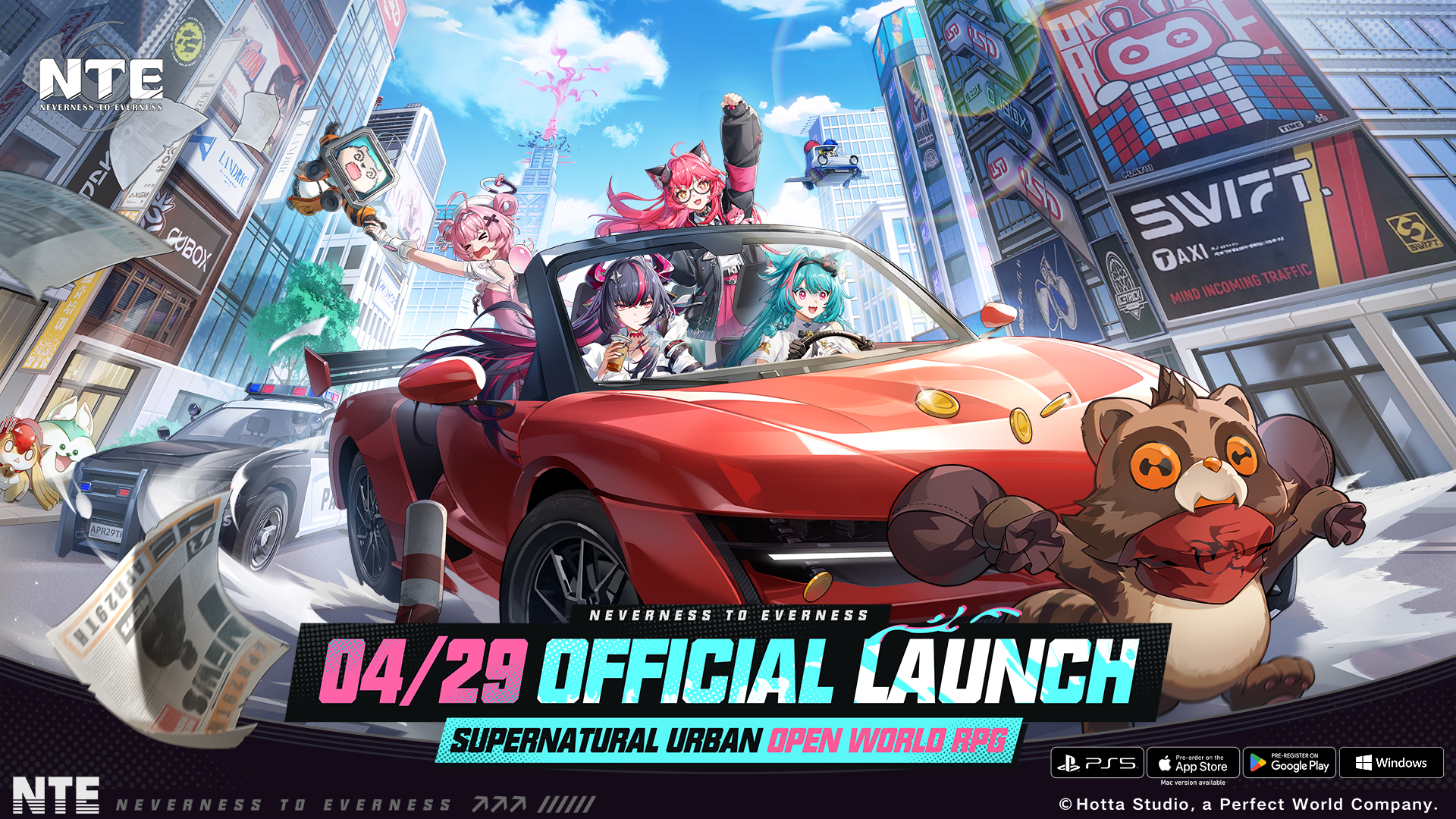
NTE: Neverness to Everness officially releases on April 29, 2026. Available on PC, Android, iOS, PlayStation®5 and Mac with full cross-platform support.
Welcome to Hethereau, where anomalies are the new normal.
Pre-Registration Milestone Rewards:
Including A-Class character Haniel, Fabricated Dice, Beetle Coins, and Elite Hunter Guides.
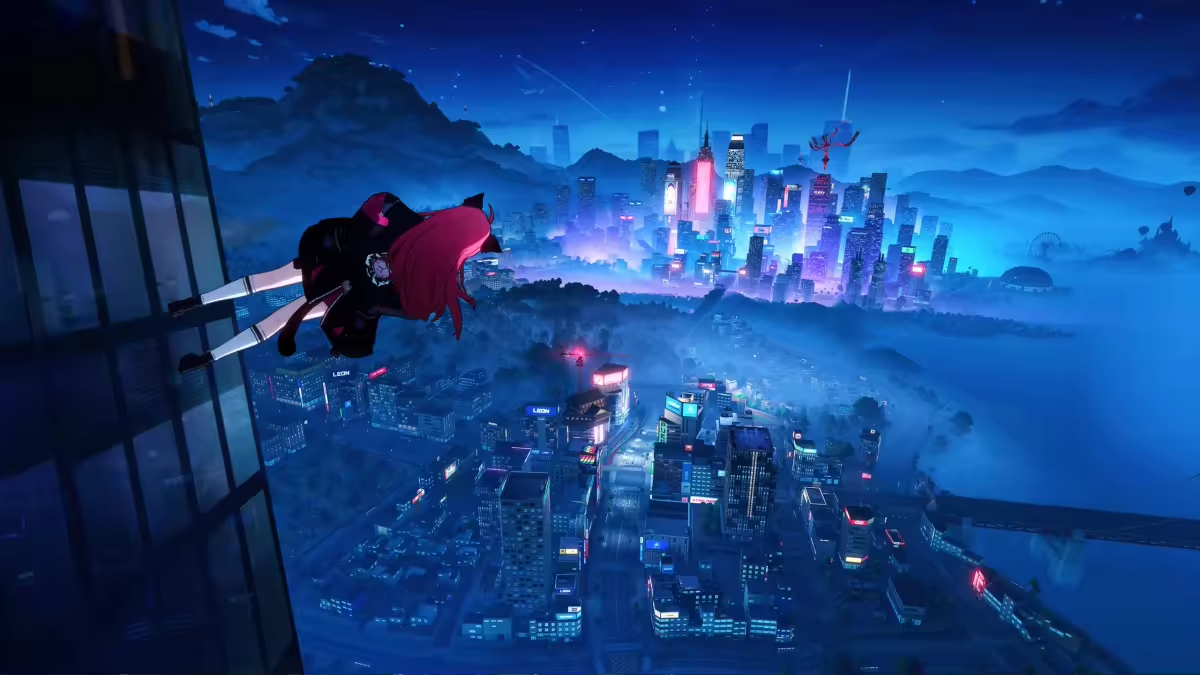
Ever since urban open-world games in the anime style—like NTE (formerly Project Mugen)—hit the scene, a fresh new concept seems to have been born: the so-called "anime GTA."
But if you take a closer look at the GTA genre or GTA-likes (like Saints Row or Watch Dogs), you'll notice that realistic urban life simulation isn't really the core feature. If it were, then The Sims series—which leans way harder into urban freedom—could technically be called a GTA-like too.
What actually makes GTA what it is, is the "crime sandbox" vibe.
In other words, the hallmark of a GTA-style game is how the gameplay supports bending and deconstructing the rules—that over-the-top American violence as art, kind of like American muscle cars: loud, gas-guzzling, but an absolute blast to ride.
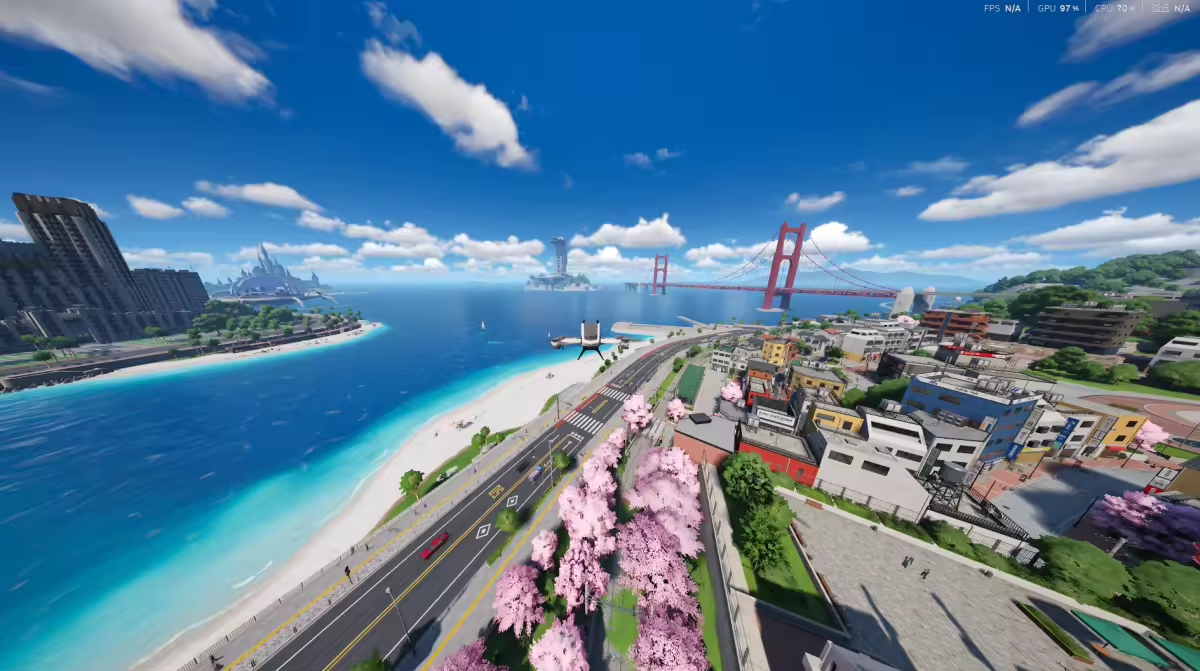
Games like NTE, though? They're a different beast. They're set in modern cityscapes, mixing gameplay frameworks from urban-life sims with some GTA-inspired design. But at their core, they're still rooted in the must-have elements of anime-style games: character appeal, emotional bonds, and that signature anime storytelling.
So honestly, instead of calling NTE an "anime GTA," it's way more accurate to describe it as an anime-style urban open-world game that borrows some GTA elements.
The real strength of this genre isn't about recreating Rockstar's crime sandbox magic. It's about using the modern city—a naturally relatable stage for players—alongside gameplay loops already proven by the market, to deliver exactly what anime-game fans are craving.
Once you get that, it's easier to see why, as we head into 2026 with a flood of big-budget anime games dropping left and right, urban open-world anime games are generating this much hype.

So here's the million-dollar question: why are there still so few of these games we can actually play?
The answer's pretty simple. Building a modern city with real scale demands way more resources than building a fantasy world or some alternate setting. Not to mention the technical challenge of pulling off a seamless open world—it's no joke. To create a city that actually feels alive, you need dense, functional architecture forming the urban landscape. And on top of all that? You've gotta integrate combat, life sim elements, and everything else into one cohesive experience.